![LOGO_UCYP_UNIVERSITY_U_red-02[1]](https://ucyp.edu.my/wp-content/uploads/2025/05/LOGO_UCYP_UNIVERSITY_U_red-021.png)

Sustainable Agriculture and Conservation: UCYP Students Embark on Expedition to TPSAS Kuantan
17-18 May 2025, Saturday & Sunday
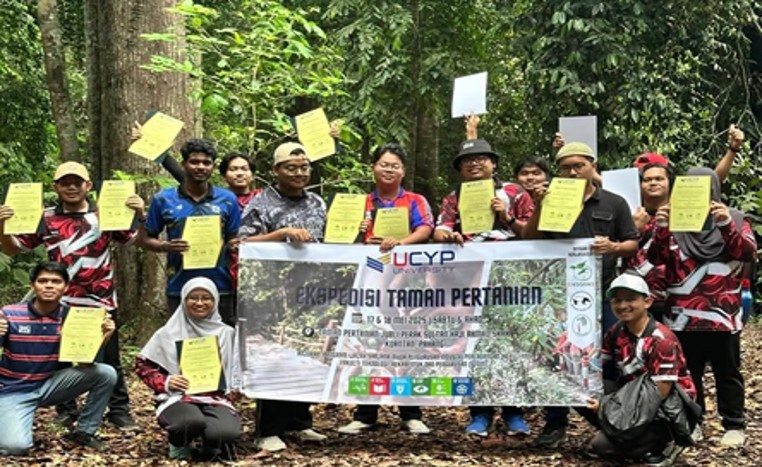
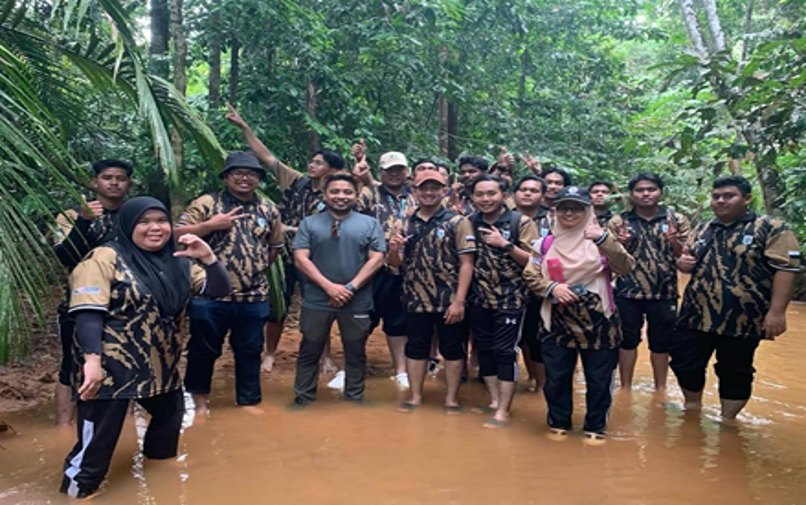
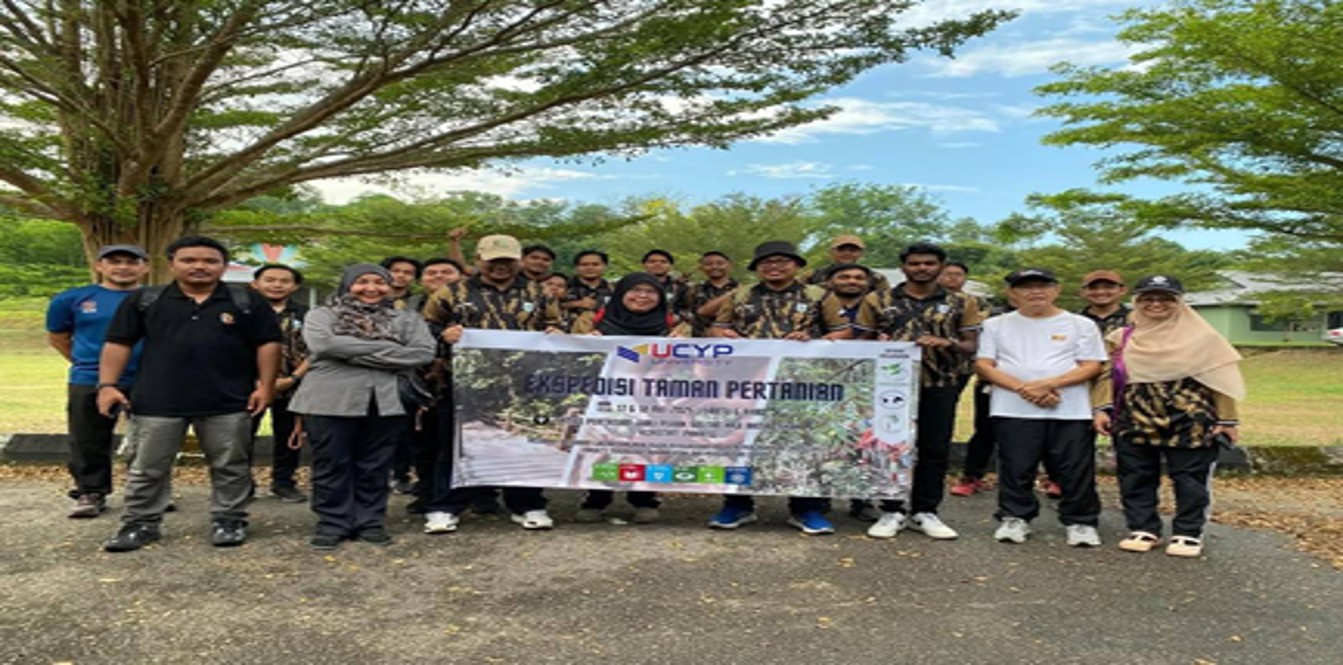
KUANTAN – In a significant move to integrate academic theory with environmental advocacy, UCYP University successfully conducted the Agricultural Park Expedition at Taman Pertanian Jubli Perak Sultan Ahmad Shah (TPSAS) on May 17 and 18, 2025. This initiative, designed for students of the Bachelor of Plantation Industry Management (Honours) program, serves as a cornerstone of the University’s commitment to the Sustainable Development Goals (SDGs) and its Green Campus agenda.
The expedition was developed as a direct response to the urgent need for sustainable resource management and food security awareness. By moving beyond the classroom, the program provided a platform for experiential learning, allowing students to witness firsthand the impacts of climate change and ineffective waste management. The initiative aligns with several United Nations Sustainable Development Goals (SDGs), including SDG 2 (Zero Hunger) through the study of food production, and SDG 4 (Quality Education) by delivering hands-on ecological and environmental training.
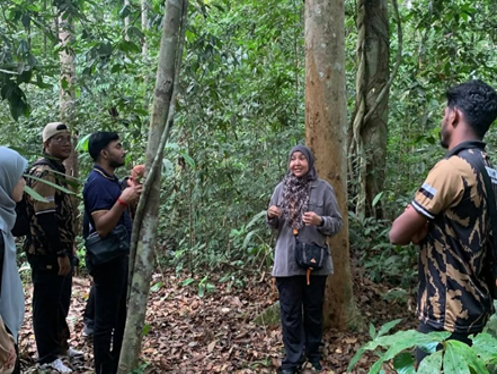
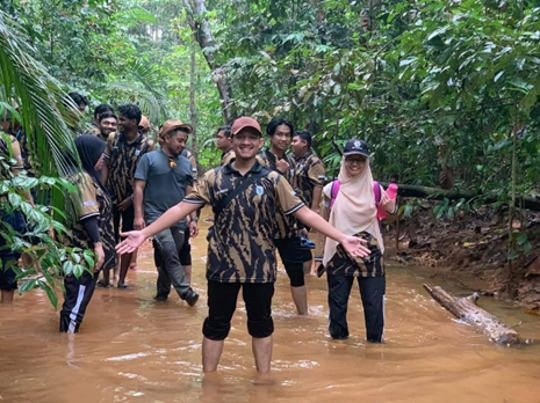
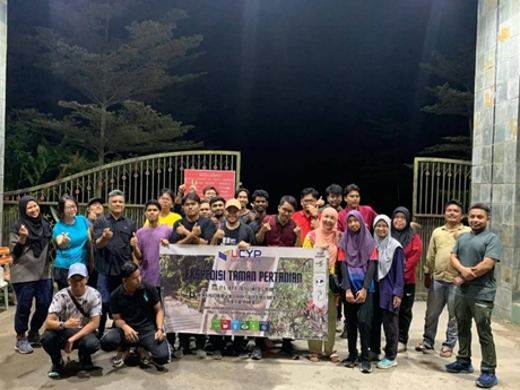
The program was the result of a multi-institutional partnership involving the Malaysian Nature Society (MNS), the Pahang State Forestry Department, and academics from the International Islamic University Malaysia (IIUM). Participants engaged in a variety of structured field activities, including biodiversity mapping through the identification of tree species and water quality assessment within local ecosystems, as well as nocturnal science activities such as a guided “Night Walk,” where students observed biofluorescence and learned about nocturnal wildlife species.
In line with its Green Campus philosophy, the expedition implemented strict environmental protocols throughout its execution. Participants practiced systematic waste management by separating organic and inorganic waste and avoided single-use plastics through the use of refillable water bottles. Energy efficiency was also prioritized, with natural lighting utilized to minimize reliance on electrical equipment during field-based activities.
The expedition recorded positive outcomes, supported by quantitative data indicating a reduction in the use of non-sustainable materials, alongside qualitative improvements in students’ critical thinking, teamwork, and environmental awareness. “This program reflects our commitment to producing graduates who are not only experts in their respective fields but also responsible citizens of the Earth,” noted a representative involved in the program.
Looking ahead, UCYP University proposes to establish the TPSAS Expedition as an annual initiative. Future iterations are expected to incorporate digital innovations such as e-logbooks and carbon impact assessment tools to generate measurable data on the program’s environmental footprint. By strengthening collaborations with sustainable agriculture industries and local communities, the University aims to cultivate a generation of graduates who are not only technically proficient but also dedicated stewards of the environment.