![LOGO_UCYP_UNIVERSITY_U_red-02[1]](https://ucyp.edu.my/wp-content/uploads/2025/05/LOGO_UCYP_UNIVERSITY_U_red-021.png)

4th International Conference on Agriculture, Animal Sciences and Food Technology (ICAFT 2025)
11-12 August 2025, Monday & Tuesday
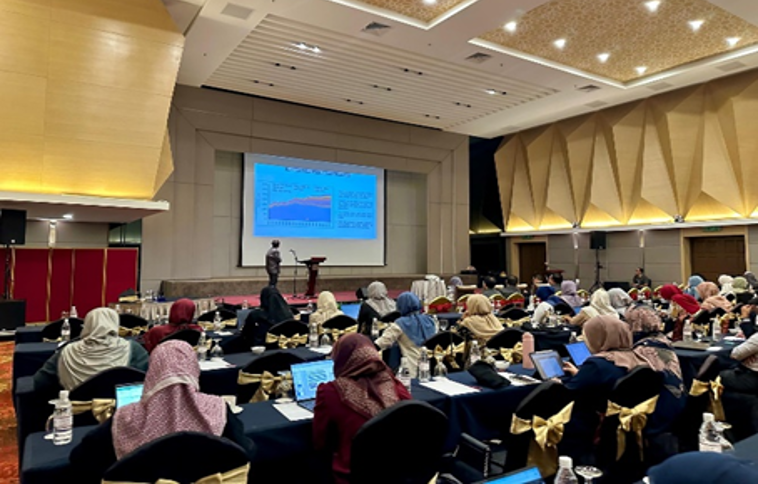
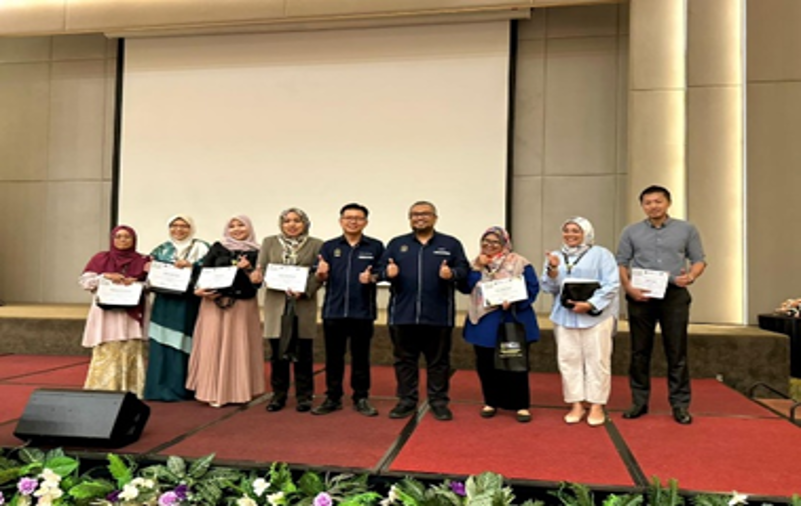
KUALA TERENGGANU – The 4th International Conference on Agriculture, Animal Sciences and Food Technology (ICAFT 2025) was successfully convened on August 11–12, 2025, at the Paya Bunga Hotel in Kuala Terengganu. This significant gathering served as a critical response to modern global challenges, particularly food security, climate change impacts, and the need for high-quality educational development. By bringing together academics, researchers, postgraduate students, industry players, and policymakers, the conference established a comprehensive scholarly platform that bridged technological innovation with sustainable application.
The primary objectives of ICAFT 2025 focused on fostering strategic research networks to strengthen collective understanding of agricultural and food system development. The conference functioned as a vital hub for knowledge dissemination, enabling experts to share innovative research findings and practical approaches that support the United Nations Sustainable Development Goals (SDGs). In addition to advancing research, ICAFT 2025 provided meaningful educational and mentorship opportunities for professionals and students, while enhancing participants’ communication skills and confidence through engagement with a global academic audience.
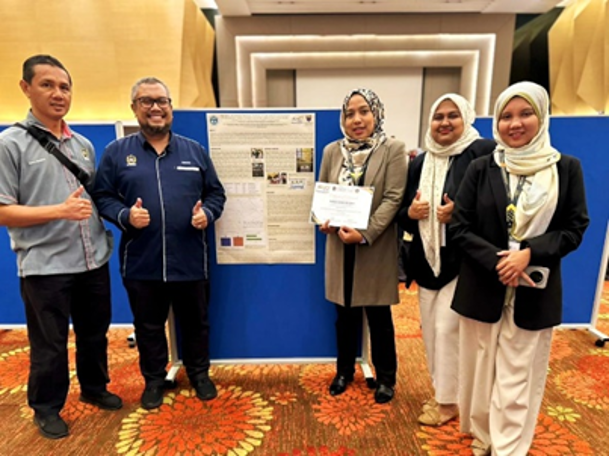
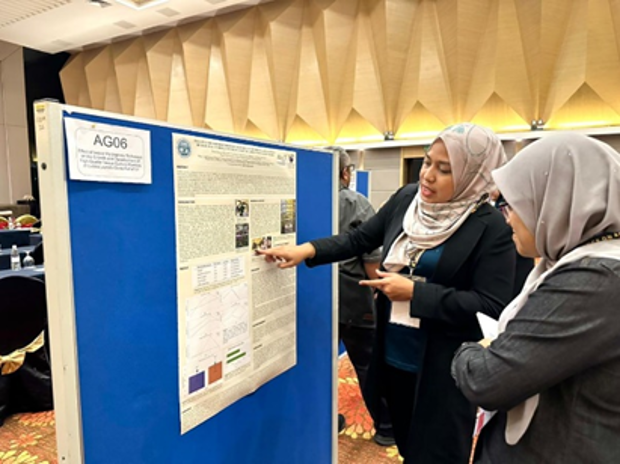
Central to its mission, the conference directly supported SDG 2 (Zero Hunger) through sustainable agricultural innovation, SDG 4 (Quality Education) by promoting lifelong learning, SDG 13 (Climate Action) through mitigation and adaptation discussions, and SDG 17 (Partnerships for the Goals) by strengthening international and cross-sector collaboration. The programme featured keynote addresses by invited experts, plenary sessions, and both oral and poster research presentations. This inclusive platform welcomed local and international participants, including government representatives, industry leaders, academics, and postgraduate students.
In line with environmental responsibility and Green Campus principles, ICAFT 2025 integrated sustainability measures throughout its implementation. Responsible waste management was achieved through digital registration systems and paperless e-proceedings, significantly reducing printed materials. Energy efficiency was enhanced by utilizing venues with access to natural lighting, while the adoption of a hybrid conference format helped minimize travel-related carbon emissions. Participants were further encouraged to adopt eco-friendly materials and low-carbon mobility practices during the conference.
The impact of ICAFT 2025 was evident both qualitatively and quantitatively, as the conference successfully increased awareness of sustainable agriculture and strengthened professional engagement in sustainability-focused research and practices. Looking ahead, the organizers propose positioning ICAFT as a recurring international platform with an enhanced focus on high-impact research and real-world applications. Future improvements will emphasize deeper industry involvement, systematic carbon footprint monitoring, and expanded adoption of green technologies to ensure the conference continues to contribute meaningfully to global environmental sustainability and economic resilience.