![LOGO_UCYP_UNIVERSITY_U_red-02[1]](https://ucyp.edu.my/wp-content/uploads/2025/05/LOGO_UCYP_UNIVERSITY_U_red-021.png)

Cultivating Tomorrow: A Comprehensive Look at the 4th International Plantation Conference (IPC2025)
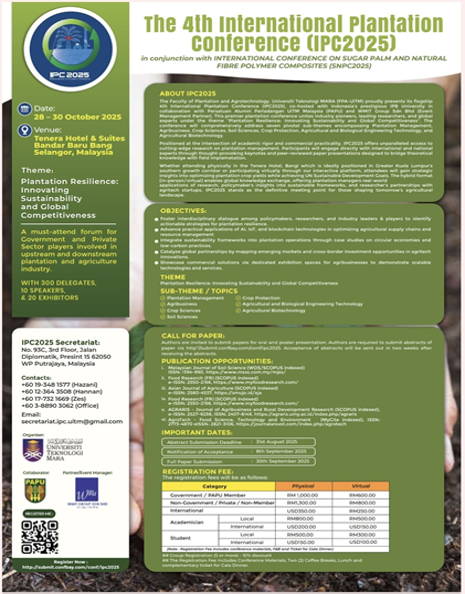
28-30 October 2025, Tuesday – Thursday
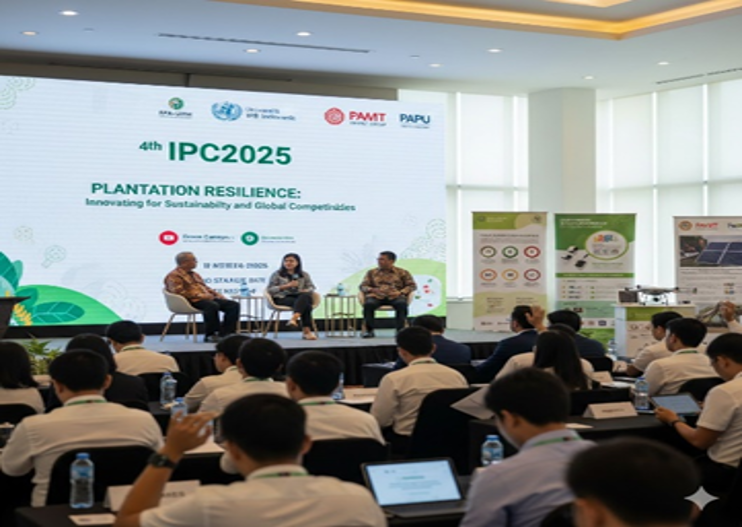
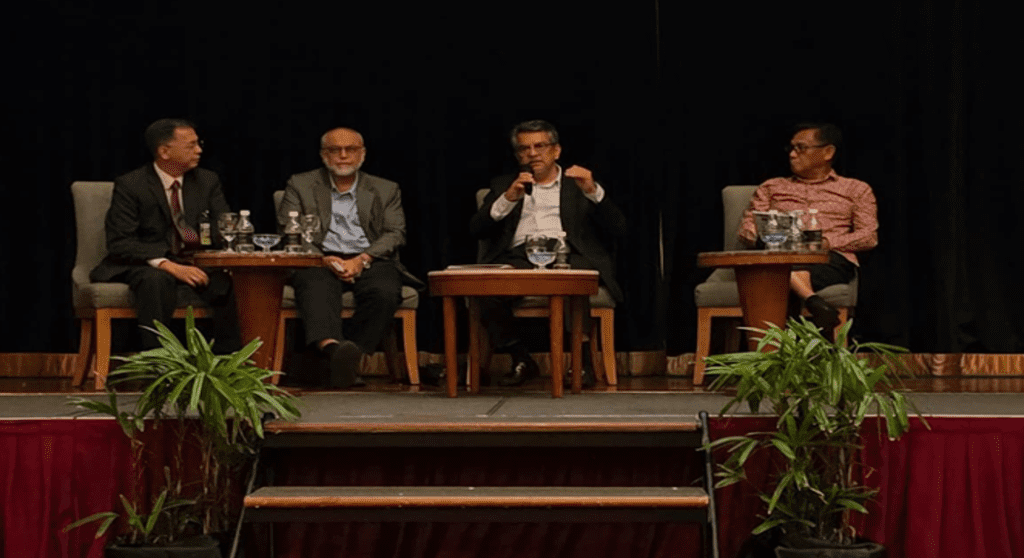
BANDAR BARU BANGI – The 4th International Plantation Conference (IPC2025) recently concluded at the Tenera Hotel in Bandar Baru Bangi, marking a significant milestone for the global agricultural sector. Organized by the Faculty of Plantation and Agrotechnology (FPA-UiTM) in collaboration with Universiti IPB Indonesia, the UiTM Plantation Alumni Association (PAPU), and WMIT Group, this premier event gathered over 300 industry pioneers, researchers, and policymakers. Under the theme “Plantation Resilience: Innovating for Sustainability and Global Competitiveness,” the conference served as a vital platform to address the challenges of climate change and evolving industry requirements.
This gathering was meticulously designed to bridge the gap between academic theory and field implementation, offering an unparalleled platform for discussing seven critical sub-themes: Plantation Management, Agribusiness, Crop Science, Soil Science, Crop Protection, Agricultural Engineering and Biological Technology, and Agricultural Biotechnology. Central to its mission was the advancement of cutting-edge technologies, specifically the practical application of AI, IoT, and blockchain to optimize agricultural supply chains and resource management, while simultaneously fostering interdisciplinary dialogues to identify actionable strategies for system resilience.
A defining feature of IPC 2025 was its deep integration with the United Nations’ Sustainable Development Goals (SDGs), demonstrating a commitment to global issues such as poverty reduction (SDG 1), zero hunger (SDG 2), and quality education (SDG 4). Participants explored critical legal frameworks regarding minimum wages and land laws (SDG 8), while sessions on farm mechanization and biodiversity protection addressed the need for industrial innovation and ecosystem preservation (SDGs 9 and 15).
Furthermore, the conference itself served as a living laboratory for the Green Campus initiative. By adopting a hybrid format that allowed for both physical and virtual participation, the event significantly reduced travel-related carbon footprints. Sustainable operational practices were strictly followed, including the use of digital registrations, e-proceedings, and e-certificates to minimize paper waste, alongside the selection of energy-efficient venues that maximized natural lighting.
Ultimately, the conference functioned as a strategic nexus for academia, industry, and policymakers to accelerate the transfer of knowledge and technology toward a more resilient plantation sector. By producing practical recommendations and fostering international research networks, IPC 2025 has set a new standard for agricultural engagement. Looking toward the future, the organizers aim to broaden this impact by increasing the participation of smallholder communities and expanding the scope of discussions to include climate change adaptation and full-scale farm digitalization.
This successful endeavor has reinforced the importance of sustainable plantation practices and high-skilled human capital as the essential foundations for transforming the national and global plantation landscape to meet future challenges.