![LOGO_UCYP_UNIVERSITY_U_red-02[1]](https://ucyp.edu.my/wp-content/uploads/2025/05/LOGO_UCYP_UNIVERSITY_U_red-021.png)

Empowering the Next Generation: UCYP University and KYP Lead Interdisciplinary Teaching for a Greener Tomorrow
9 November & 23 December 2025, Sunday & Tuesday
The demand for 21st-century education has shifted toward a more holistic approach, especially when addressing global challenges like climate change, food security, and environmental sustainability. Recognizing that sustainability issues cannot be solved in isolation, UCYP University and KYP recently spearheaded a transformative initiative titled “Interdisciplinary Teaching Collaboration”. This program was designed to bridge the gap between academic theory and real-world practice through experiential learning, directly supporting the global Sustainable Development Goals (SDG) and the Green Campus agenda. It ensured that students do not just learn about sustainability in books but experience it through a multi-faceted lens.
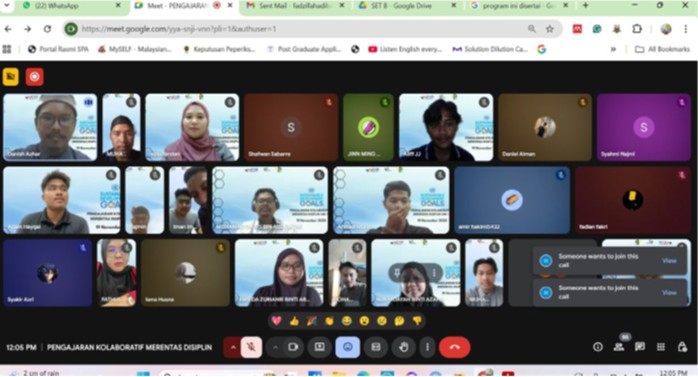
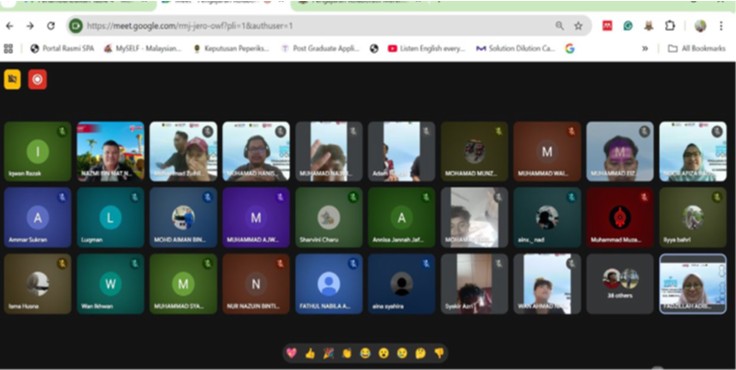
The program, which took place across two major sessions on November 19 and December 23, 2025, utilized the Google Meet platform to create a globalized digital learning environment. It successfully brought together a diverse group of participants, including lecturers and students from the Bachelor of Plantation Industry Management (UCYP University), Diploma in Plantation Industry Management (KYP), and Agrotechnology (KYP) programs. By leveraging digital technology for agricultural education, the program directly aligned with SDG 9 (Industry, Innovation, and Infrastructure), while its collaborative nature supported SDG 17 (Partnerships for the Goals) and SDG 4 (Quality Education).
Throughout the sessions, experts shared invaluable insights into modern agricultural policies, the principles of the Malaysian Sustainable Palm Oil (MSPO) standards, and the transformative role of Artificial Intelligence (AI) and mechanization in the field. The curriculum also delved into the world of Microbiology and the integration of crop and livestock systems—a method known as agroecology that maintains ecosystem balance. To keep the sessions engaging and interactive, the organizers incorporated digital tools such as Slido, quizzes, and live Q&A sessions, allowing for a dynamic exchange of ideas.
A core focus of this collaboration was the “Green Campus” element. Participants were introduced to energy-efficient agricultural systems through automation and the application of Green Technology, such as the Internet of Things (IoT), for crop monitoring and resource management. These innovations are critical for increasing agricultural efficiency while simultaneously reducing the environmental footprint. The impact of this initiative has been profound; qualitatively, it has sharpened students’ critical thinking and problem-solving skills, while quantitatively, it has provided wide-scale exposure to sustainable technologies in a single, unified program.
Looking ahead, the organizers aim to make this a permanent fixture in the academic calendar, with plans to turn it into an integrated teaching module across various courses and faculties. Future improvements are already being considered, including the addition of quantitative green impact assessments—such as carbon footprint audits—and expanding the collaboration to include non-science disciplines like management, economics, and social sciences.
In conclusion, the success of this interdisciplinary teaching collaboration serves as a powerful testament to the institution’s commitment to the Sustainable Development Goals (SDG) and the Green Campus vision. This approach does more than just enhance academic performance; it molds students into ethical and responsible graduates who are fully prepared to take ownership of environmental sustainability and lead the world toward a more resilient and sustainable future.