![LOGO_UCYP_UNIVERSITY_U_red-02[1]](https://ucyp.edu.my/wp-content/uploads/2025/05/LOGO_UCYP_UNIVERSITY_U_red-021.png)

UCYP University Students Bridge Theory and Practice at MARDI and LKM Bagan Datuk
8-10 May 2025, Thursday – Saturday
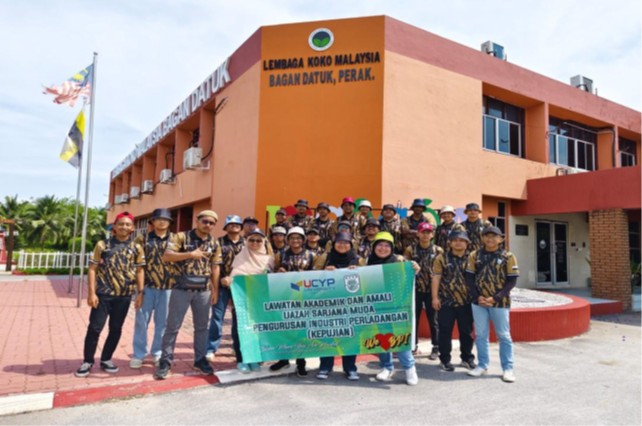
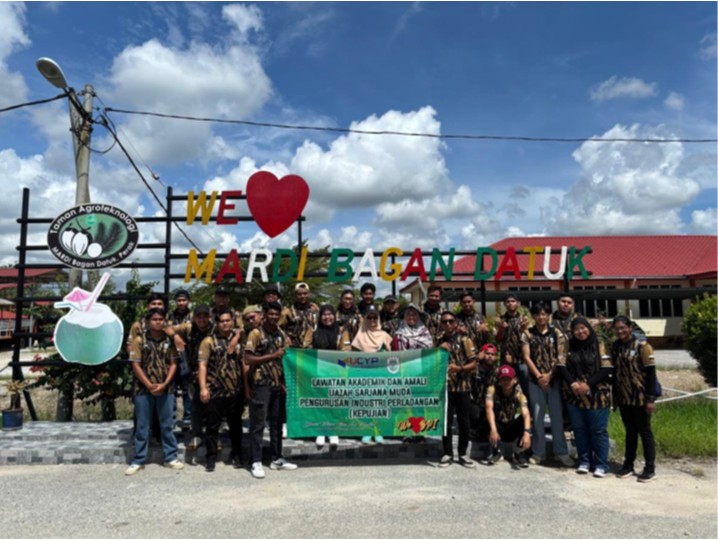
UCYP University successfully organized a high-impact academic and practical visit for students of the Bachelor of Plantation Industry Management (Hons) program to the Malaysian Agricultural Research and Development Institute (MARDI) and the Malaysian Cocoa Board (LKM) in Bagan Datuk, Perak. This three-day initiative, which took place from May 8 to May 10, 2025, was specifically designed to transcend traditional classroom learning, which is often deemed insufficient for the complex needs of the plantation sector. By involving students from semesters 2 through 6, the program aimed to ensure future graduates are up-to-date with the latest research, technologies, and management strategies in the cocoa and coconut industries. This exposure is crucial for fulfilling the requirements of various core courses, including Principles of Plantation Crops, Agropreneurship, and Plantation Operation.
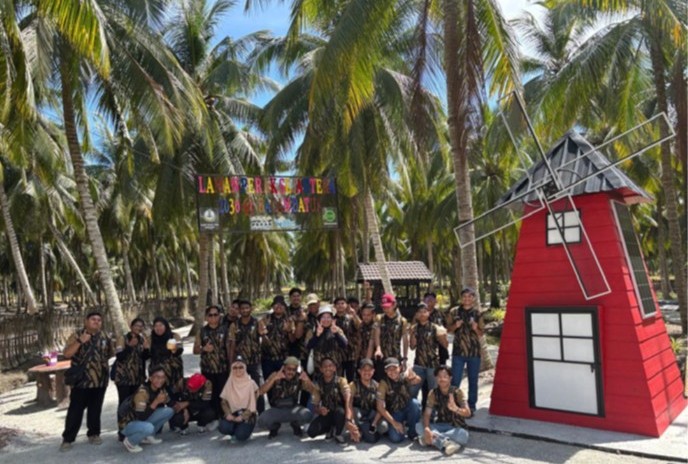
The curriculum of the visit was meticulously planned to provide an authentic, hands-on learning experience that is rarely achievable in a lecture hall. Students engaged in intensive technical training, such as manual coconut pollination and cocoa budding (vegetative propagation), even participating in skill competitions to boost their confidence. Beyond the fields, the participants explored the industrial rungs of the ladder, visiting a Virgin Coconut Oil (VCO) factory to understand cold-press technology and investigating the downstream potential of cocoa products like chocolate and cosmetics. These activities were guided by expert researchers, such as Pn. Farhana and Dr. Saripah, who provided deep insights into germplasm management, disease control, and automated fertigation systems.
Central to the visit was the integration of Sustainable Development Goals (SDG) and Green Campus elements, emphasizing the university’s commitment to environmental stewardship. By observing Good Agricultural Practices (GAP) and resource-efficient technologies—such as systematic waste management and automation—students gained a profound understanding of how to reduce environmental impact while maintaining high operational efficiency. The program specifically addressed SDG 4 (Quality Education) and SDG 8 (Decent Work and Economic Growth) by enhancing graduate employability and promoting the plantation sector as a high-value, professional career path. Moving forward, the university plans to further strengthen these initiatives by incorporating dedicated sessions on low-carbon farming and advanced agricultural waste management to ensure the industry’s long-term sustainability.